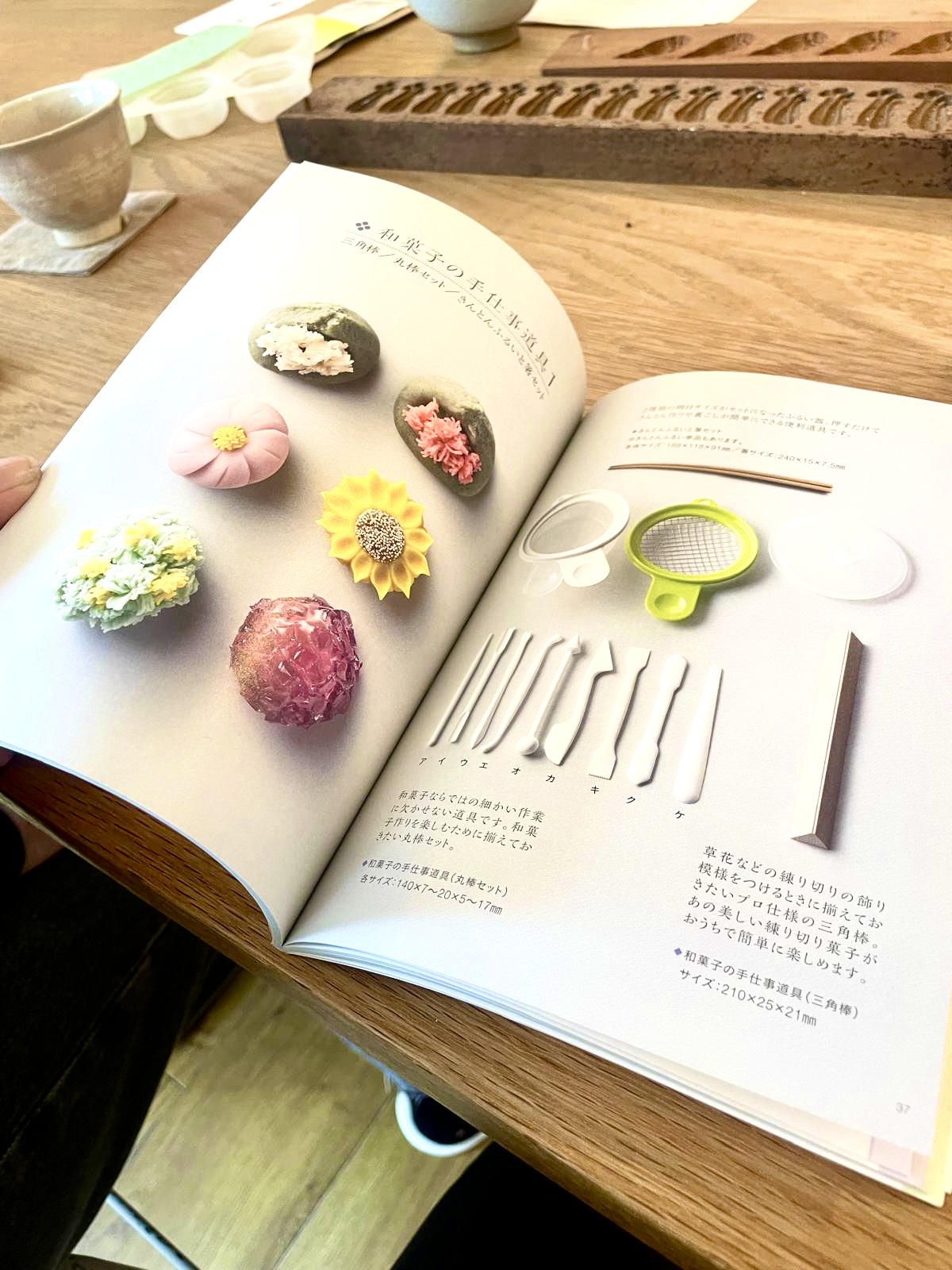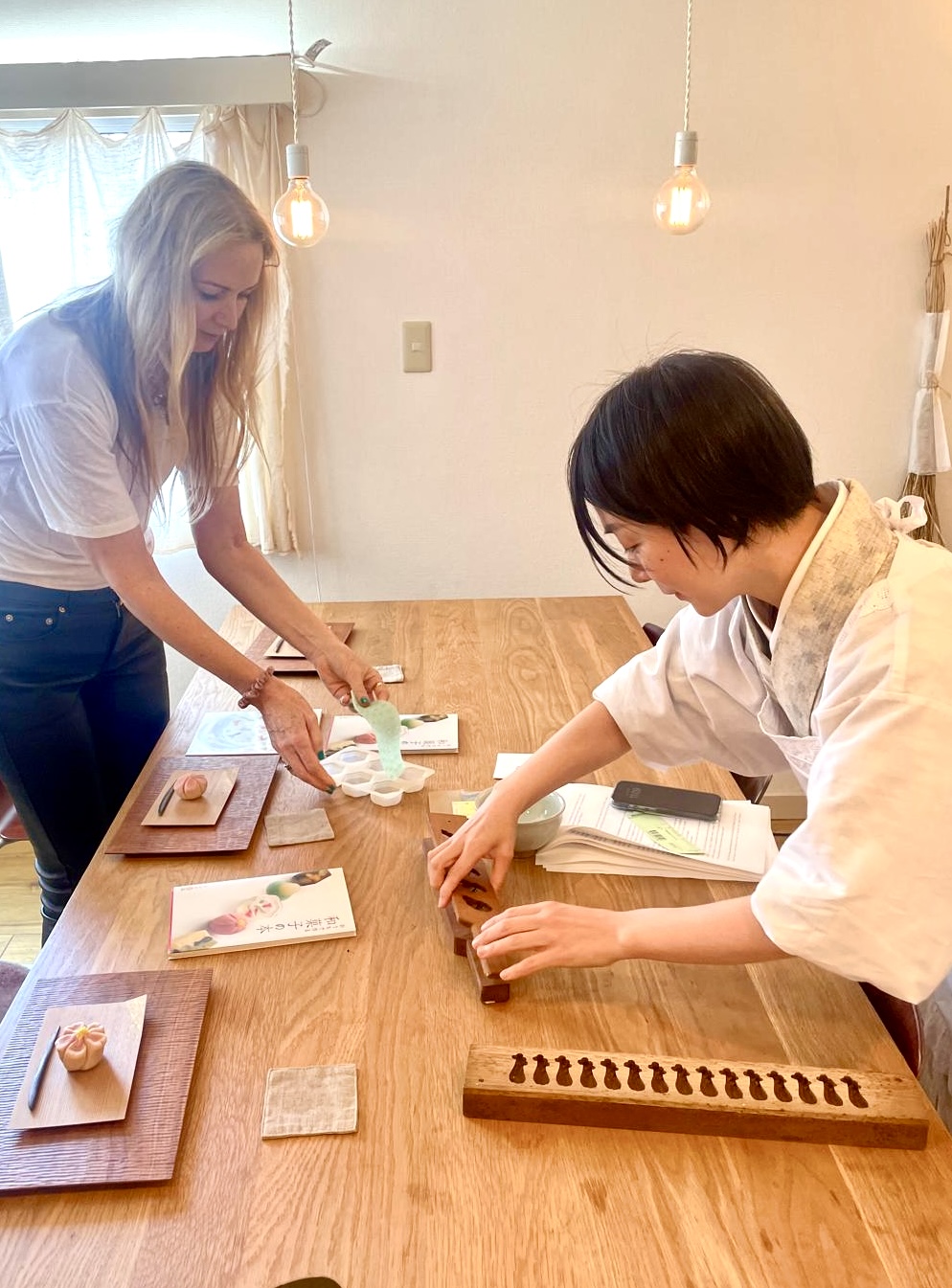
Wagashi are more than sweets. They are Japan’s edible poetry, delicate creations that capture the rhythm of the seasons and the country’s quiet devotion to beauty in small things. Each one tells a story. In spring they might take the form of cherry blossoms just beginning to open; in autumn, a single red maple leaf resting on a pond of sweet bean paste. Crafted from rice flour, azuki beans, and natural colours, wagashi are shaped not only by hand but by philosophy. They remind you that perfection lies in simplicity and that beauty is fleeting by design.
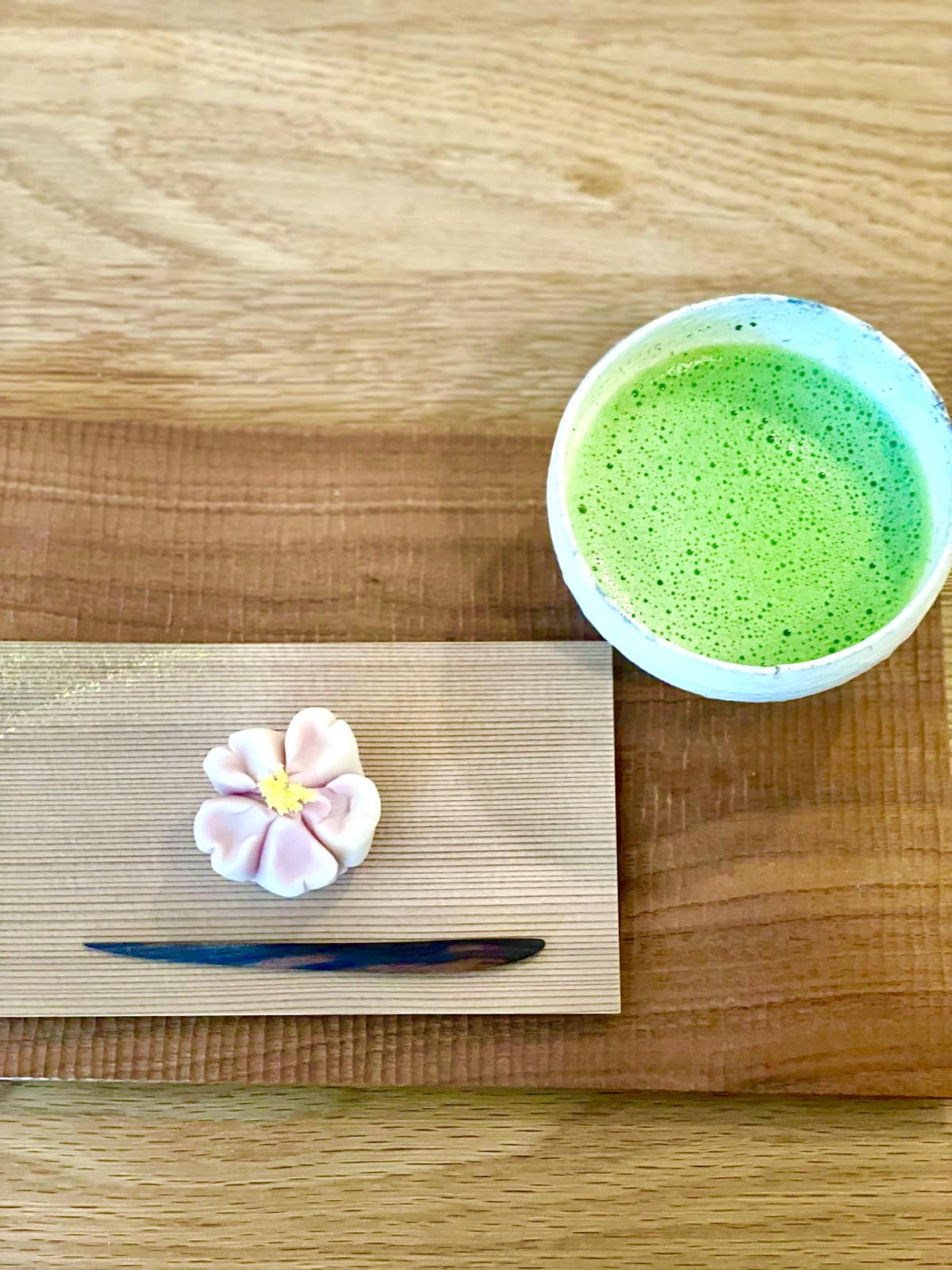
In Kyoto and other historic towns, traditional tea houses still serve wagashi alongside bowls of matcha prepared with centuries of ritual. The pairing is intentional. The gentle sweetness of the confection balances the earthy bitterness of the tea, expressing harmony in flavour, form, and spirit. To taste them together is to experience an exchange between host and guest, where every gesture is thoughtful and every detail carries meaning.
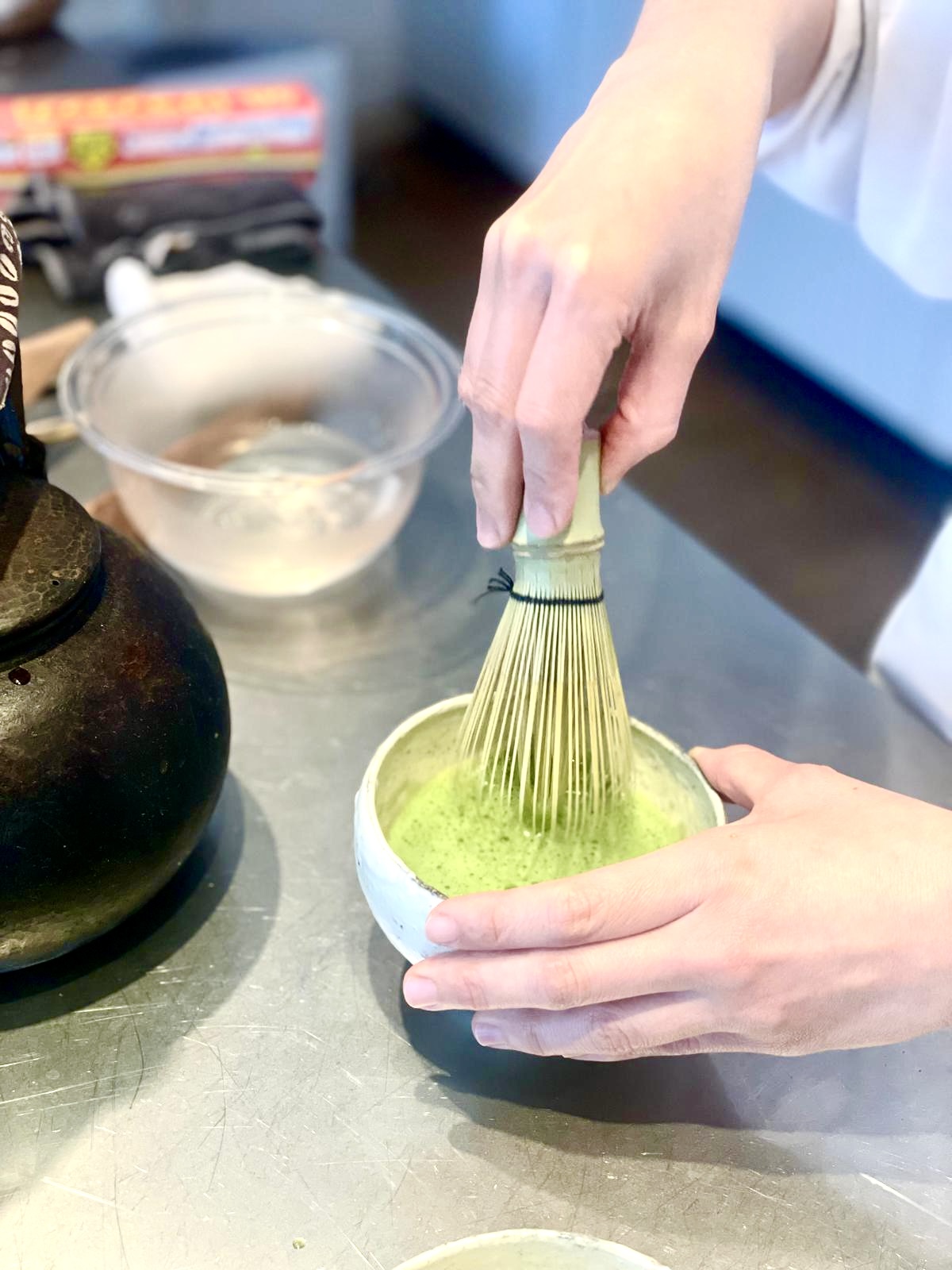
Inside the tea house, time slows. The tatami creaks underfoot, the scent of roasted tea leaves drifts through the air, and steam curls upward from a black iron kettle. The host moves with precision and grace, whisking the bright green matcha until a fine froth appears. The sound of the bamboo whisk and the warmth of the ceramic bowl create a moment of stillness that lingers.
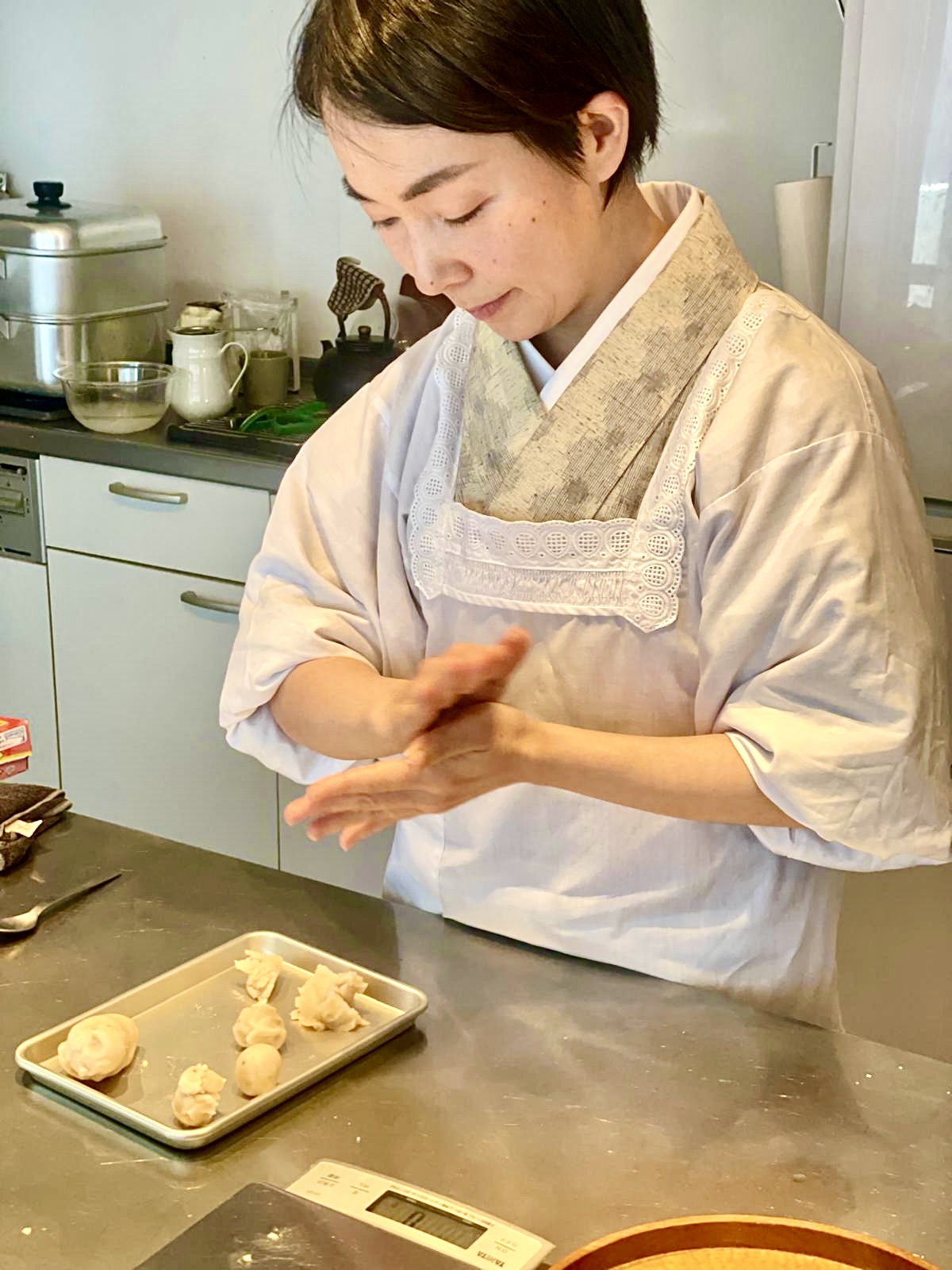
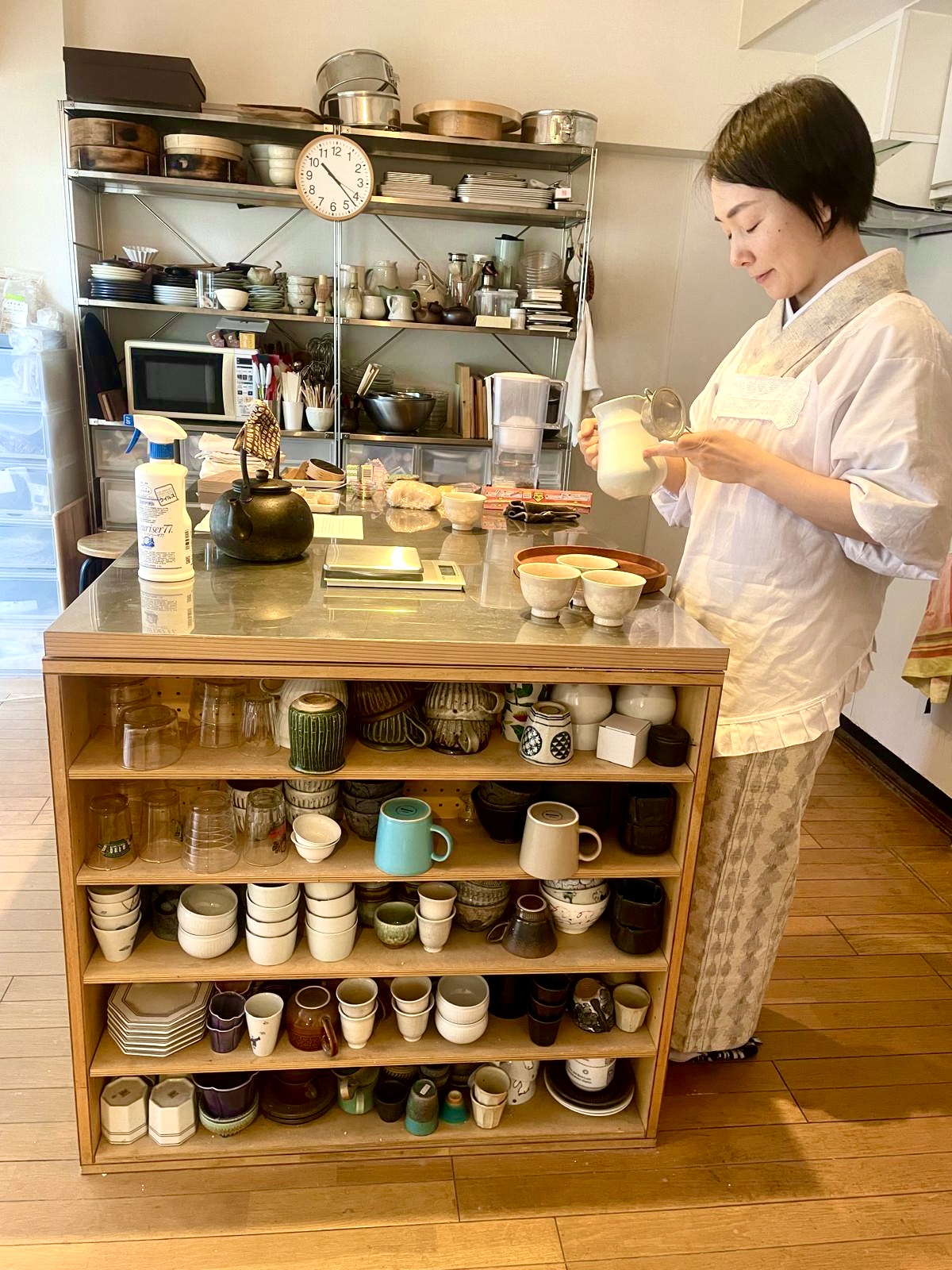
For those who take part in a wagashi-making or tea ceremony workshop, the experience deepens. The rhythm of folding, shaping, and whisking becomes almost meditative, a gentle lesson in presence and patience. But even without participation, simply observing reveals the essence of Japanese hospitality, known as omotenashi — the art of giving care through quiet attention.
Wagashi and the Japanese tea ceremony are not only about taste. They are about connection to season, tradition, and mindfulness. In a world that moves quickly, this simple pairing reminds you to slow down, breathe, and savour what is here now.