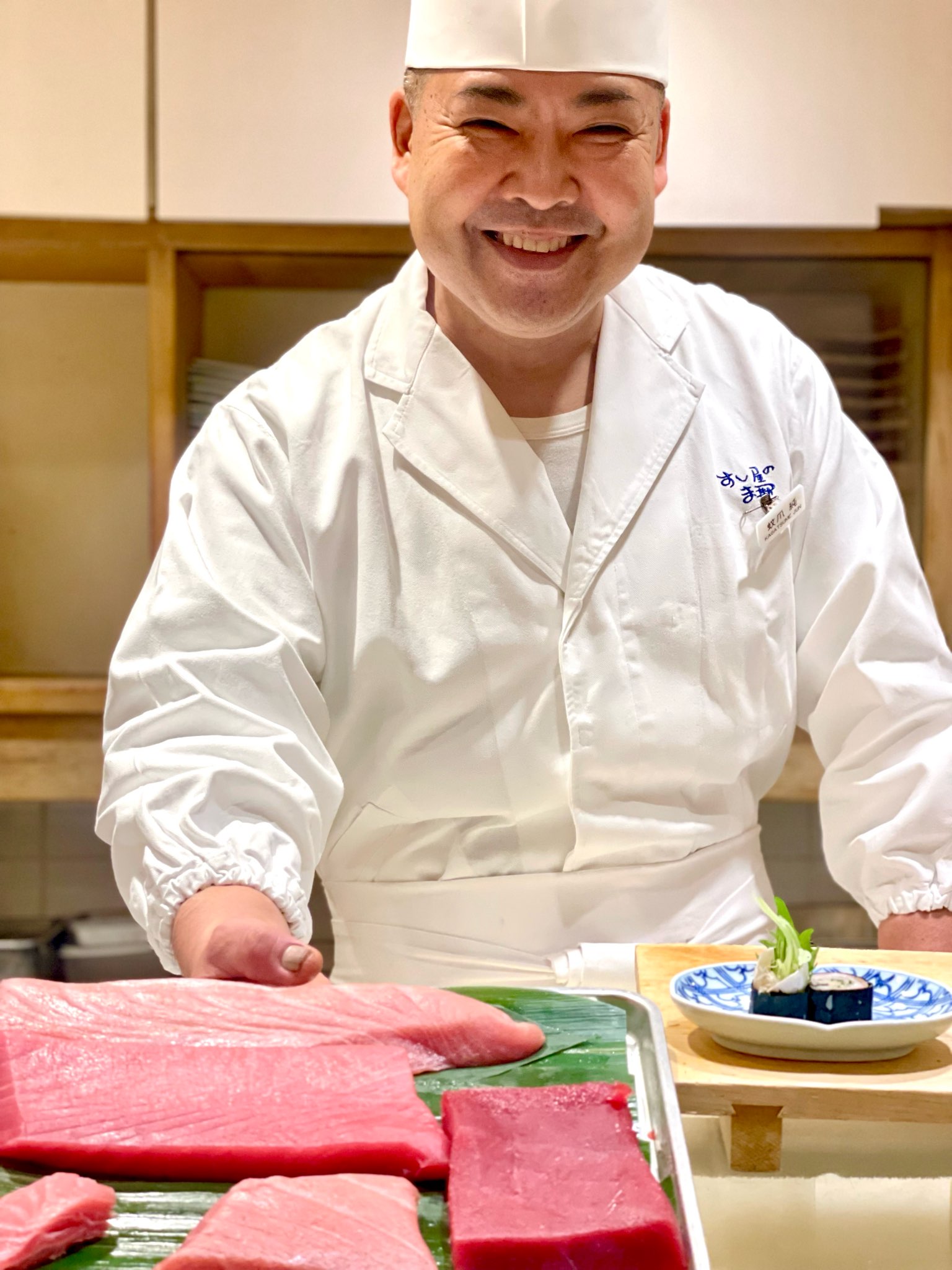

Tokyo is a city that reinvents itself constantly, but its food traditions hold steady. Eating sushi at a small counter in Ginza is still one of the defining food experiences of the city. Edo-style sushi, or Edomae, started here in the 19th century as a fast snack made with fresh fish from Tokyo Bay. Today it has become a culinary art form, with chefs spending decades mastering the perfect balance of rice, fish, and wasabi. Sitting at the counter, watching each piece prepared and placed in front of you, feels like entering a conversation without words.
But sushi is only one part of Tokyo’s food heritage. In the narrow streets of Asakusa and Ueno you find long-standing shops selling tempura, soba noodles, and unagi grilled over charcoal. Many of these restaurants have been run by the same families for generations. You taste not only the food but the continuity of craft that ties the city back to its past.
Another side of Tokyo’s food story lies in its markets. Tsukiji has transformed since the wholesale fish market moved to Toyosu, but the outer market is still alive with stalls selling grilled skewers, fresh seafood bowls, and tamagoyaki omelettes. Walking through in the early morning gives you a glimpse of how Tokyo wakes up, with vendors calling out and customers clutching steaming cups of tea.
What makes Tokyo’s historic food scene so compelling is the balance between formality and casual tradition. You can have a Michelin-starred meal that feels like theatre one night, and the next morning be standing at a small counter eating soba before catching the train. It is this range, deeply rooted in history, that makes Tokyo a true food capital.